Industries Served
1. Aerospace and Defense
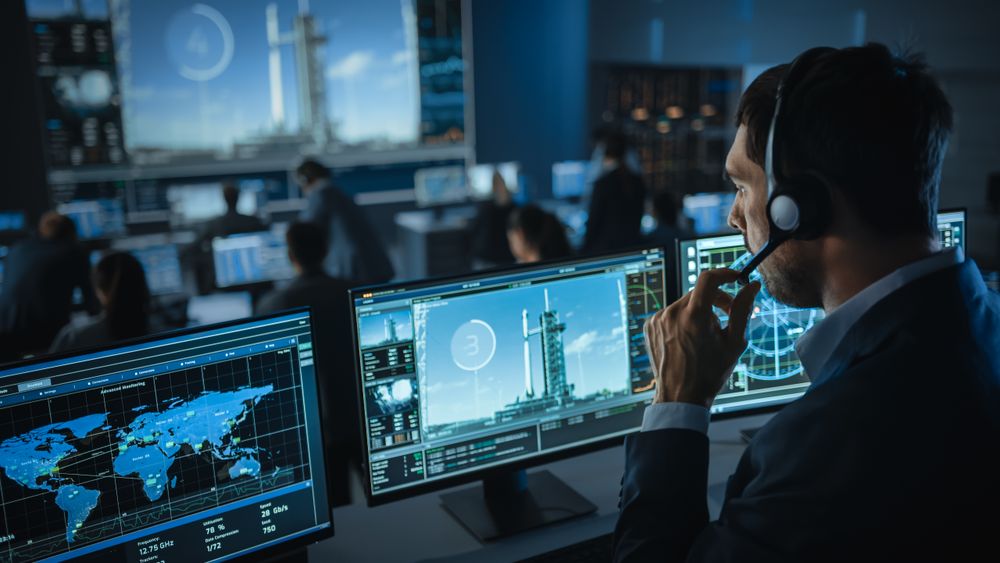
- Reconnaissance: Spy satellites are able to identify an individual theerson, a model of a car, or whether a missile is fueled and ready for launch- all from low-earth orbit. These satellites have a powerful telescope, aimed at Earth instead of the stars. A large primary mirror collects the light, while a steerable secondary mirror allows the satellite to quickly switch its view between different targets- truly being the ‘digital eyes’ of our defense system. Interferometry is used to confirm these critical optical components meet stringent specifications.
- Targeting systems: Lenses and mirrors in night-vision goggles, drones and laser guided “smart” weapons must be precisely polished for clear imaging. The windows on the lasers themselves must be flat and homogeneous. All are measured with interferometry.
- Directed Energy Weapons: Laser weapon systems use very high power lasers. The focusing optics used with these lasers must have low roughness. If not, the surface ‘craters’ will focus the light into local ‘hot spots’ that can damage optical coatings and/or the base material, reducing transmission or resulting in component failure.
2. Semiconductor Manufacturing
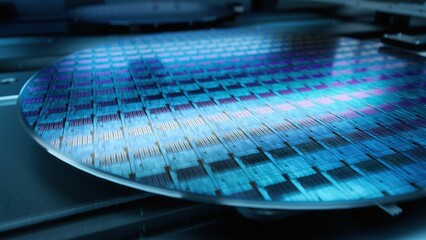
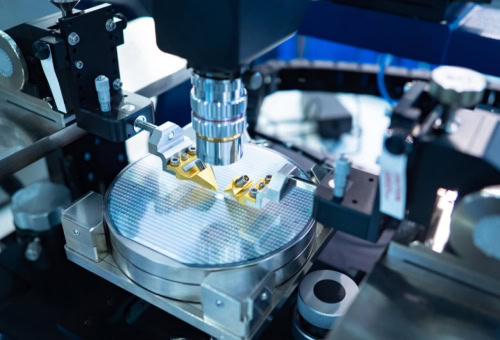
- Wafer flatness: Silicon wafers must be tested for flatness using interferometry before the microchip patterns are ‘printed’ onto them using photolithography. Local form errors in a wafer can cause the microchip patterns to blur, resulting in areas of failed chips. Interfeometry is the most precise way to measure wafer flatness.
- Mask and reticle Inspection: The reticle is the ‘master blueprint’ through which light is projected to print each patterned layer of a microchip. If the reticle has form errors, printed features will be out of focus, resulting in failure.
- Projection optics: The lenses used to project these patterns must have extremely low transmitted wavefront error for all the same reasons. This is measured using interferometry.
- Computational Lithography: The most advanced photolithography machines use interferometry to characterize the wavefront error, which can be canceled with a ‘deformable’ optical layer in the projection path!
3. Medical Technology
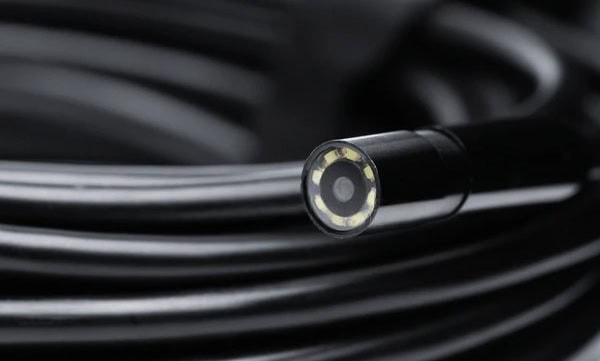
- Medical imaging: The small imaging and illumination lenses inside medical devices, such as an endoscope, are tested using interferometry to ensure crisp, undistorted views of the tissues during examinations and surgery.
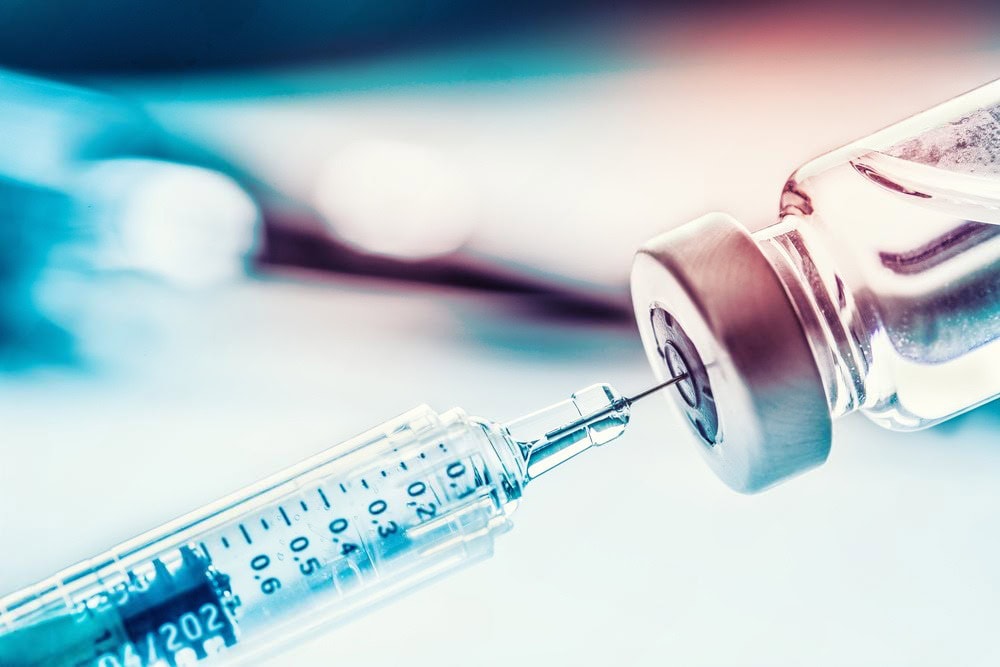
- Intravenous procedures: The inner wall of a syringe is measured using interfetometry to meet strict roughness requirements. If it is too rough, the syringe will ‘catch’ and have jerky movements. The barrel is cut in half lengthwise so that the inner wall can be measured on an interferometer for roughness.
- Patient safety: Medical industries often call for supersmooth surfaces to avoid bacteria to be trapped in the small pits that a more rough surface would have. Examples include bone and joint implant surfaces, interior surfaces of inhalers, and surfaces of dental implants. The roughness of these pieces can be confirmed on the interferometer.
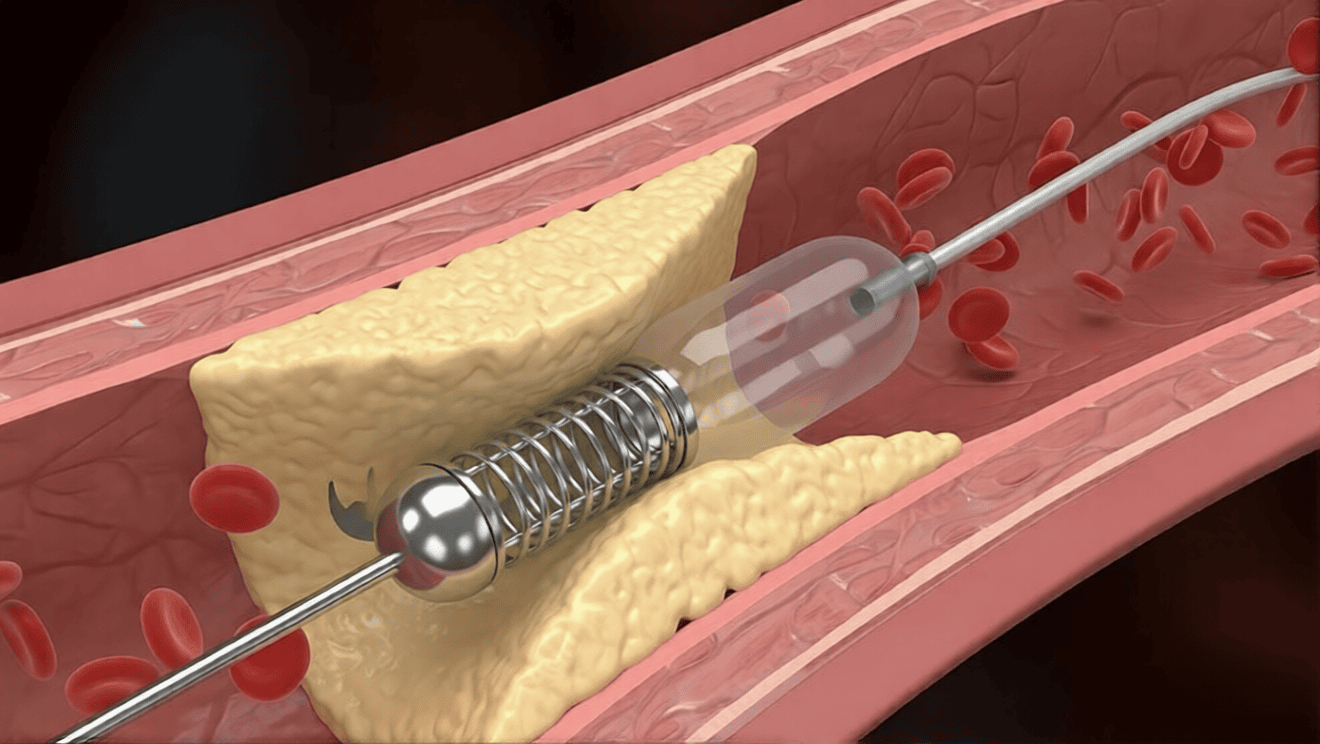
- Surgical procedures: Countless procedures need objects to be fed through tight regions. A surgical tool fed through a sleeve in noninvasive surgery, or a sheath delivering a stent to its final position in the blood vessel, involve very tight roughness requirements on the inner wall of the delivery structure to prevent similar ‘stiction’, which could lead to punctures once the stiction finally breaks.
4. Network Communications
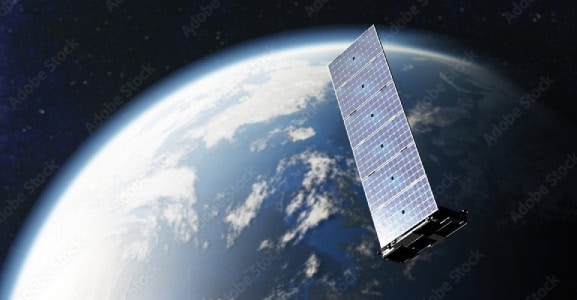
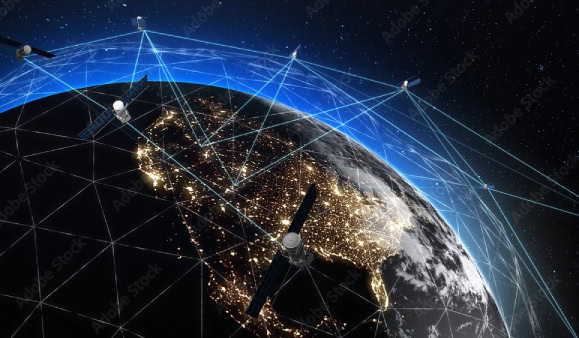
- Starlink uses a network of space lasers on satellites to relay signals around the earth. Each laser assembly has collimating optics and a steering mirror, each with a long list of form and roughness requirements. strict form and roughness specifications. meet strict form requirements. The collimating optics have tight form specifications to maintain wavefront shape and signal fidelity on the trip back to Earth. The high power lasers used inside these systems demand that the collimators and other internal optics have very low roughness to avoid signal loss due to coating degradation. The lasers themselves have windows and mirrors with similar specifications for all the same reasons. Interferometry is used to test against all of these requirements.
- Back on Earth, global communications rely on optical fiber to transmit data toward the final destination. Lenses are used to efficiently couple light into the fiber, and to recollimate the light after it exits the fiber. The focusing and collimating lenses can be tested against their specifications using interferometry.
5. Astronomy and Space Exploration
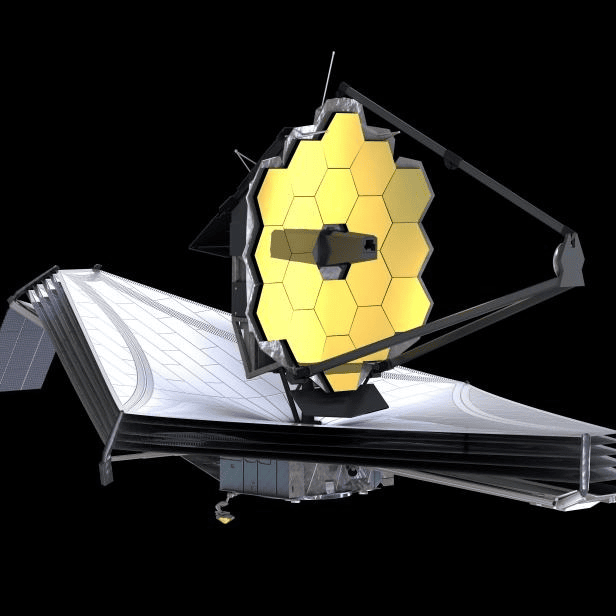
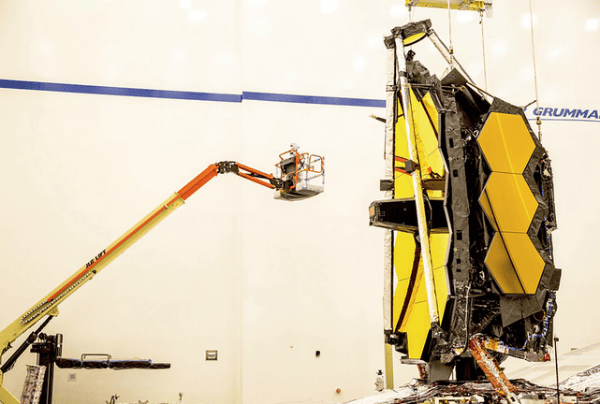
- Space Telescopes: Interferometry is the ‘gold standard’ for the high-precision measurement of telescope mirrors, such as those used in the James Webb and Hubble space telescopes. The primary mirror is the largest which ‘catches’ the light, while smaller, secondary and and tertiery mirrors redirect it to the imaging system. Space telescopes are more limited in size since they must fit into the rocket that will launch them into space. Segmented, foldable mirrors help overcome this problem.
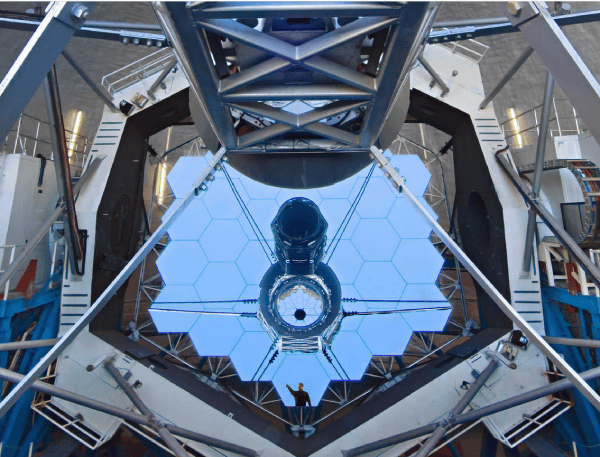
- Ground Telescopes: These can have much larger primary mirrors, such as the 10-meter primaries on the twin Keck telescopes. But they have to overcome one very large obstacle: an ever-changing atmosphere. Environmental fluctuations introduce far greater wavefront errors than space telescopes will ever see. Using primary mirrors that are deformable, an array of tiny pistons behind the individual mirror segments can effectively ‘cancel out’ the errors to reveal a crisp, clear image! Interferometry is used not only to quantify the initial shape of each mirror during manufacture, but also to check that the array of tiny pistons are deforming the mirror as expected.
6) Automotive
Interferometry is used both on the production line and in the laboratory.
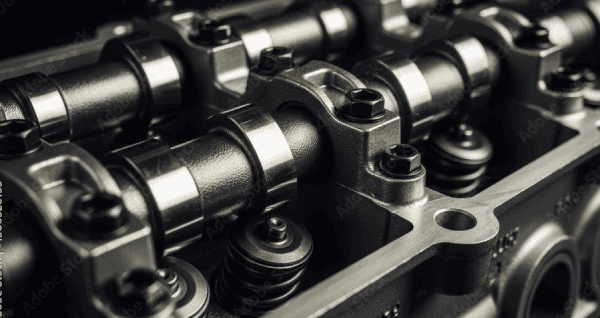
- Form measurement: Interferometry is used to measure the flatness of sealing surfaces under high pressure, such as cylinder heads and fuel injector valve seats. If a surface that should be flat contains waviness of just a few nanometers, it can lead to fuel or other fluid leaks, resulting in blown head gaskets and poor fuel economy. Roughness is just as important for a good seal – the as surfaces that are too rough can lead to the same problems.
- Roughness measurement: The inside of a cylinder bore is checked using white light interferometry to ensure it has a specific roughness, rather than be perfectly smooth. Why? – the inner wall has a pattern of micro-scratches intended to hold a certain amount of oil for optimal lubricaton. If the surfaces are too smooth, the piston can have a squeegee effect on the inner wall, causing metal-to-metal contact and overheating the engine. Cylinder bore surfaces that are too rough can also cause metal-to-metal contact, where the peaks between microscratches pierce the cylinder wall through the layer of oil. White light interferometry is used on the production line to check this roughness.
- Back at the lab, engineers use roughness measurements to study the wear of these components, in order to design more fuel-efficient engines with less friction.
7. General Manufacturing
This is the ‘catch-all’ category of applications outside of those previously mentioned. A small sampling is described here.
- Small lenses are used to focus light onto sensors in smartphones and cameras, to couple light into fibers for telecommunication, and focus light for microdisplays, to name a few. These are measured for form using large aperture interferometers, and for waviness and roughness using white light interferometers.
- For any application that requires a transmissive optic, homogeneity of the glass is crucial to achieve distortion-free imaging. Interferometry is the industry standard for homogeneity testing.
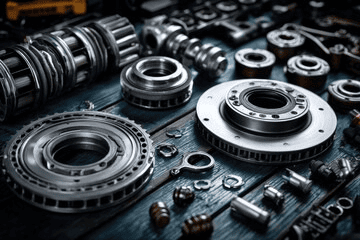
- Any assembly that provides rotational or linear motion will contain ball bearings. These include, but are certainly not limited to: compressors, conveyors, industrial fans, and electric motors in industrial machines; or vacuum cleaners, blenders and washing machines in the home. Ball bearings, and the races between which they are ‘sandwiched’, have an ideal roughness requirement for optimal oil retention and smoothness of operation. This roughness is often measured using scanning white light interferometry (SWLI).
- Solar panels rely on a certain roughness for optimal performance. The silicon solar cell is the absorptive element, and if this is too smooth it will act more like a mirror and absorb less light, producing less energy. The protective glass on top needs to be as smooth as possible on a microscopic level to prevent the buildup of dust and other debris. These roughness values are often measured using SWLI.
- In coating and painting, surfaces to be treated often are made with a very light texture to allow for better adhesion of the coating or paint layer.